
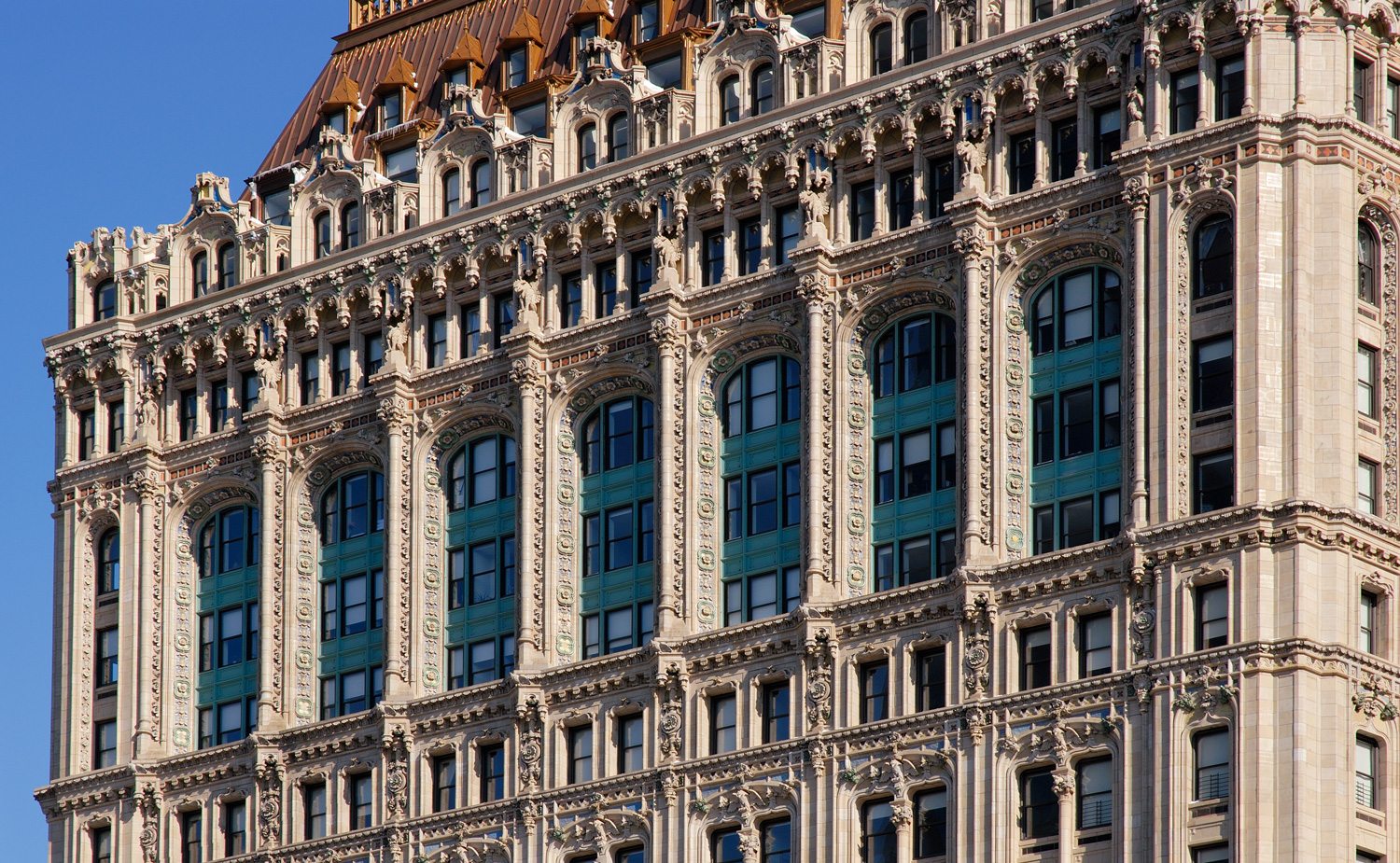
Case Study 05
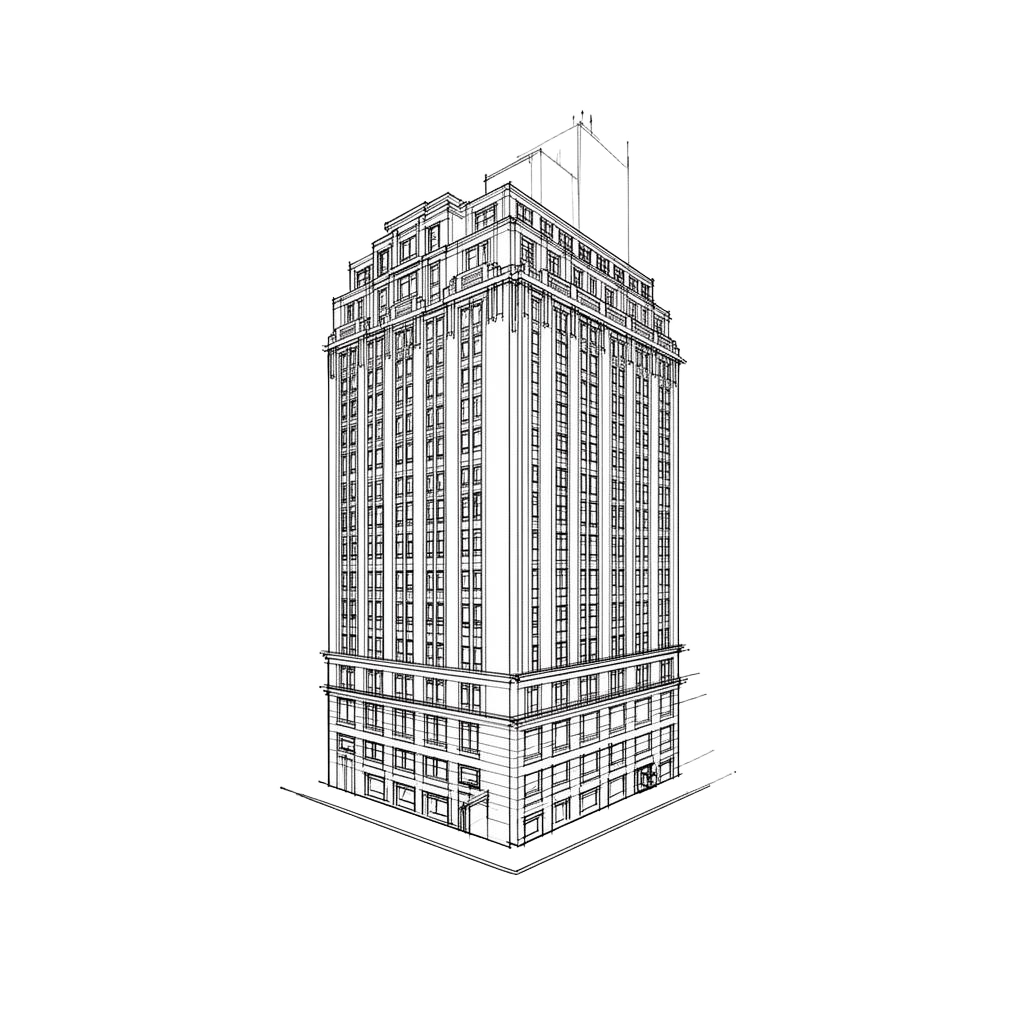
90 West Street
Repositioning a 409-Unit Asset Without a Single Renovation
Overview
The market called it a value play. Dated common areas, minimal amenities, and an expiring tax incentive that was eroding NOI by a million dollars a year. Rather than accept the building's perceived ceiling, Hope Street orchestrated a complete repositioning — transforming tenant culture, public perception, and financial performance without a single unit renovation.
Location
Financial District, Manhattan
Type
Luxury Rental Repositioning
Developer
Brack Kibel Company
Units
409 residences
Pricing
$2,100 – $8,500/month
"We didn't renovate apartments. We renovated the building's identity."
The Challenge
What we faced
Shrinking NOI
The 421-g tax incentive was entering its sunset phase, adding approximately $1 million in annual tax burden each year for five consecutive years — a structural headwind that demanded revenue growth or risk financial deterioration.
Perception Problem
The broader market classified 90 West as a discount alternative — lower rents, dated finishes, the building you settled for rather than chose. This narrative suppressed pricing power across the entire portfolio.
Amenity Deficit
In a market where lifestyle offerings increasingly drove lease decisions, the building's sole amenities were a cramped fitness room and an uninspired resident lounge. It was competing with a knife at a gunfight.
The Approach
How we solved it
Vacancy as Weapon
By showing occupied units and controlling available inventory information, we created artificial scarcity that compressed vacancy time by 78% in year one. Less visible supply meant more urgency — and higher asking rents on every re-lease.
Principled Renewal Negotiations
We deployed a high-touch renewal strategy: substantial proposed increases paired with personal invitations to meet with Hope Street's principals. One-on-one negotiations achieved a minimum 10% increase while retaining nearly 85% of existing tenants.
Identity Overhaul
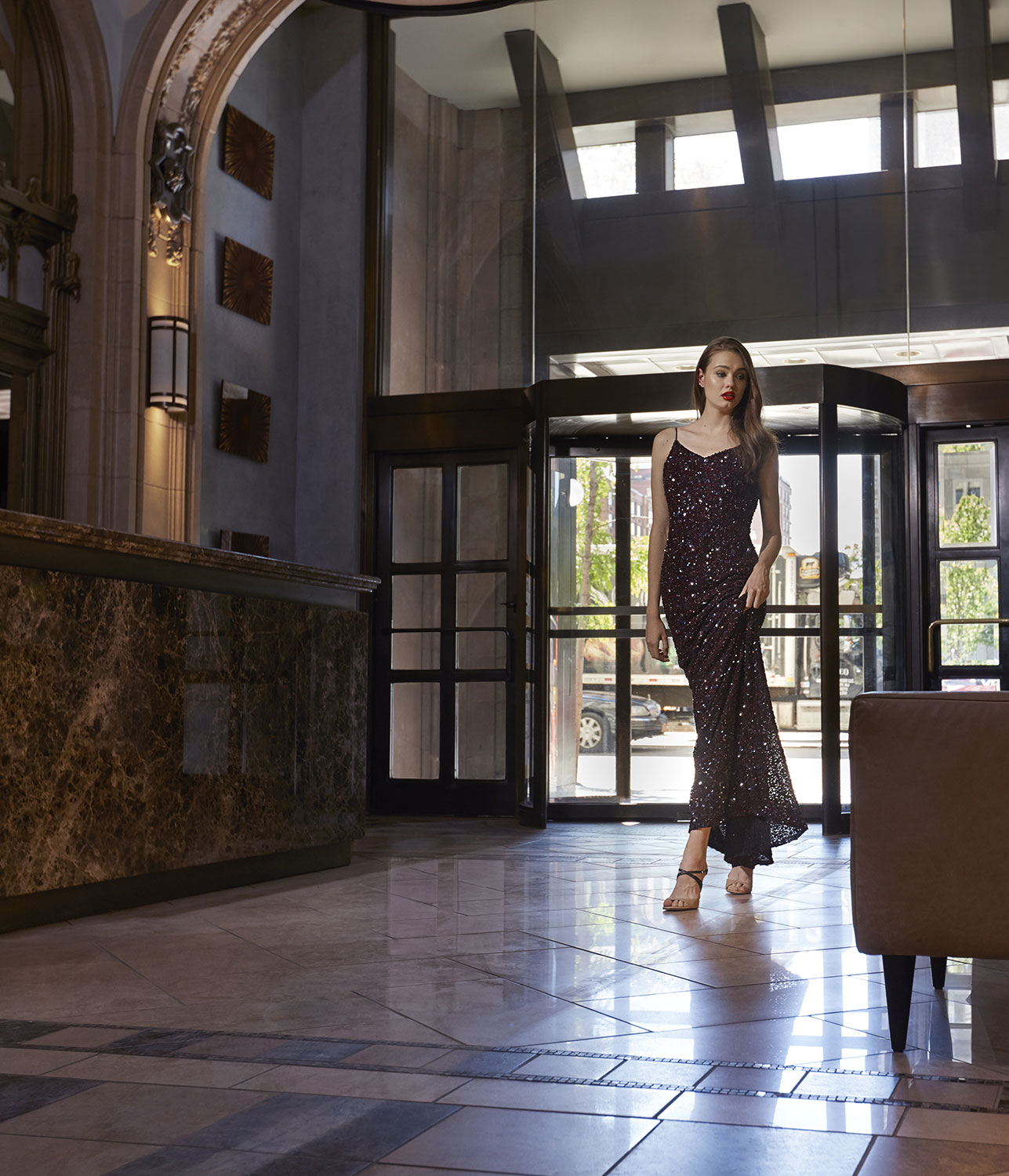
Hope Street directed a full rebrand — new agency, new photography, new narrative. Through strategic rendering and storytelling, we repositioned 90 West to the marketplace as if it were an entirely new building launch, without touching a single residential unit.
Amenity Reinvention
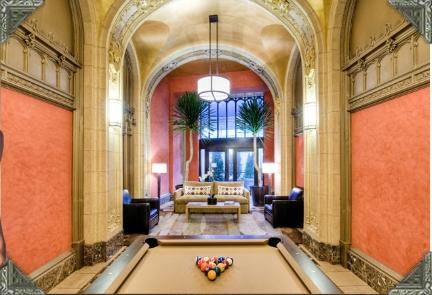
Working with top interior designers, we carved 1,000 SF of amenity space from unused areas and vacant units. A catering kitchen, expanded fitness center, and resident entertainment lounge — supported by a professional amenity management company — created a community culture that justified premium pricing.
Results
12%
Year-One Revenue Increase
98.6%
Average Occupancy
5–7%
Annual Rent Growth Since
Conclusion
A decade later, 90 West Street continues to outperform its FiDi competitors in occupancy and rent growth — proof that repositioning isn't about capital expenditure on units. It's about understanding what tenants actually value, and having the conviction to rebuild a building's story from the inside out.